Ipe Wood Decking: Why It's the Best Timber for Decks
Explore why IPE wood is considered as the best choice for decking including benefits like weather resistance, slip resistance, natural durability, strength and a distinctive appearance.
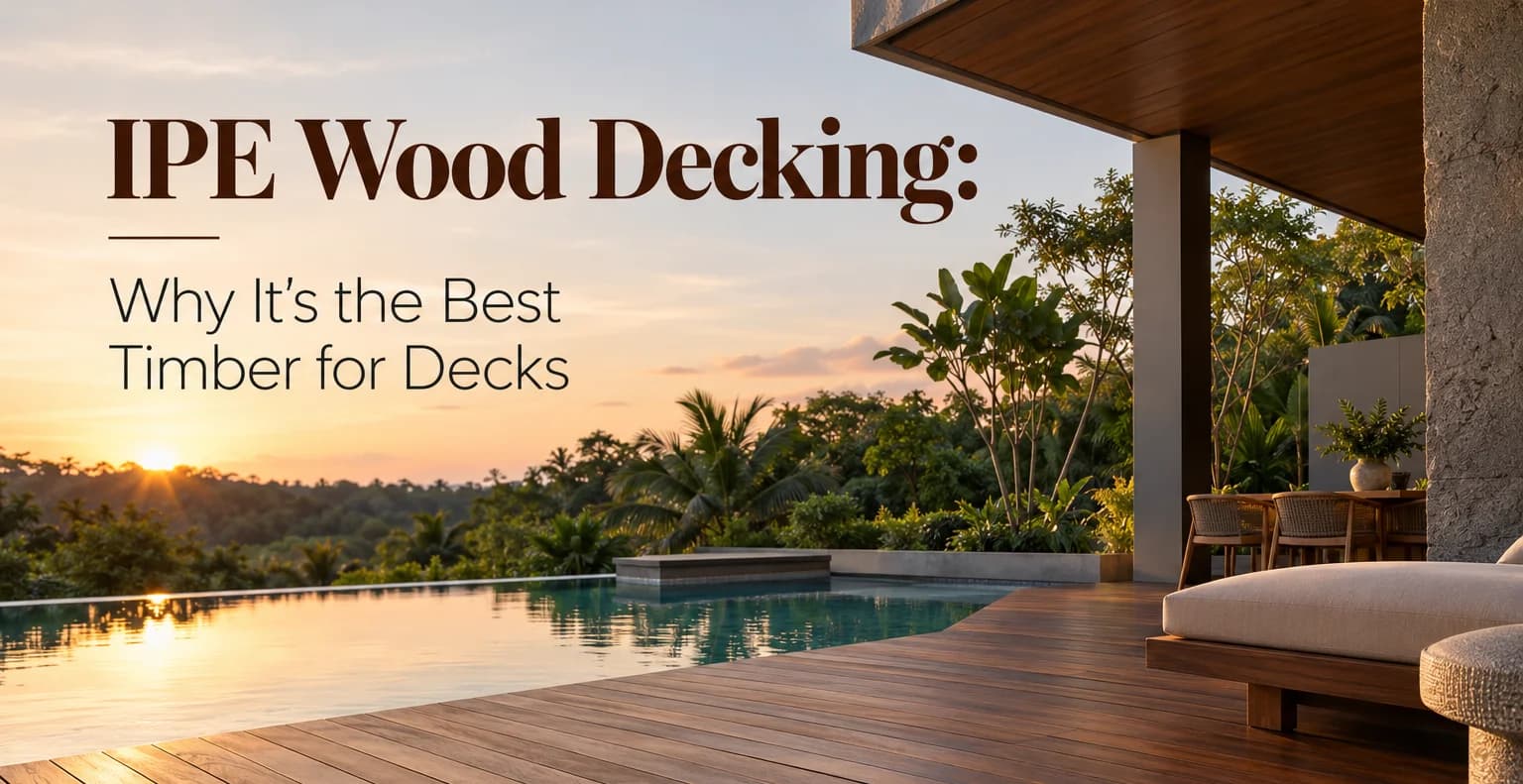
As outdoor living becomes a bigger part of modern architecture, outdoor decking is increasingly used to extend into spaces like garden, poolside areas and landscape surroundings. Unlike indoor flooring, decking must withstand changing weather conditions along with regular foot traffic and this is where IPE wood stands out as an ideal choice because of its natural strength and durability.
This is why the timber used in decking needs to serve more than visual appeal. Ipe wood is a dense tropical hardwood also known as “Ironwood”, specified by architects and interior designers for exterior use particularly, because of its exceptional hardness, natural durability and rich character.
From poolside surroundings to terraces and varandas to hospitality projects and landscaped outdoor areas in residential projects, Ipe wood is the best timber decking which combines high performance and natural beauty.
What Is Ipe Wood?
IPE wood is a dense tropical hardwood native to Central and South America , with sourcing and supply concentrated largely around the Amazon basin.Its high density and natural durability make it best suited to exterior applications where timber is exposed to changing weather conditions on a regular basis.
Its natural colour ranges within rich brown tones but comes with variations in grain that give every board its own character. Then left exposed to sunlight without a UV-protective finish, Ipe wood gradually develops a silver-grey patina This natural weathering and change in colour is part of the character of real timber and can actually complement contemporary architectural designs, requiring minimal maintenance. Because of its natural strength and durability, it is used for demanding exterior applications including decking, terraces, pool surrounds, and outdoor walkways.
Why Ipe Is Considered Among the Best Timber Decking Options
Choosing the right timber for decking depends on several factors like exposure, foot traffic, maintenance expectations and the overall design of the space. Ipe becomes the best choice because of its following characteristics:
Natural Durability: IPE wood contains natural oils which acts as a built-in deterrent against moisture, fungi, rot, decay and termite. This inherent durability makes it a suitable choice for outdoor decking exposed to changing weather conditions.
Exceptional Janka Hardness: Ipe wood has an exceptional Janka hardness rating of 3,680 lbf which makes it a well suited material for decks that experience regular foot traffic, furniture movement and everyday outdoor use.
Naturally Moisture Resistant: Decking is constantly exposed to moisture and changing weather and its dense structure helps to reduce moisture absorption, making it a suited fit for terrace , pool side decks and other exposed outdoor areas.
Exclusive Natural Character: In terms of Ipe wood, natural wood aesthetic and high performance comes hand in hand. Its rich brown tone and natural grain bring natural wood character to outdoor spaces while complementing stone, concrete, metal and greenery.
Ipe Wood vs Other Decking Timbers
Every natural timber species comes with different advantages and unique characteristics. That is why choosing the right timber for your project becomes non-negotiable. Compared with other wood species like Pine, Ipe offers greater natural hardness and durability for demanding exterior applications. Teak is another established hardwood choice for exterior application, despite that, Ipe wood is the best choice for projects where the combination of natural durability, hardness and a premium hardwood appearance is important. In comparison with other hardwoods Ipe wood becomes architects and developers first choice because of its appearance, performance maintenance expectations and installation requirements.
Pros and Cons of Ipe Wood Decking
Pros
Exceptional janka hardness and density
Unmatched durability for demanding exteriors
High moisture resistant in changing weather
Build for high-traffic outdoor spaces
Naturally slip resistant
Class A fire Rating
Can develop natural gray patina if left unfinished
Cons
Higher initial cost than many common decking timbers
High density makes the cutting and machining difficult
Appropriate installation and fixing method makes it time consuming
High weight creates difficulty during installation
Requires a suitable UV-protective finish if its original brown colour is to be retained
Choosing the Right Decking Wood Suppliers
Choosing the right decking wood supplier is equally important as choosing the right quality material. Working with an experienced supplier can ensure the material quality for intended application and others project support. Consider the timber's origin, quality, dimensions, profiles and suitability for exterior use. The supplier should also be able to provide guidance on installation, including appropriate fixing systems, board spacing and preparation.For residential and commercial architectural projects it is important to work with a supplier who serves proper support to suggest right specifications to ensure that the decking performs as intended while complementing the overall design.
How to Maintain Ipe Wood Decking
Ipe wood requires minimal upkeep than other hardwoods. Periodic checks on dirt and debris removal and inspection on areas where moisture can collect is enough to maintain a long lifespan. If the project requires to retain the rich brown colour an appropriate exterior UV-protective finish can be applied as recommended. In terms of projects where natural aging and, developing a silver gray patina is allowed, it can be left without polishing.
Frequently Asked Questions About Ipe Wood Decking
Is Ipe wood good for decking?
Yes. Ipe is well suited to exterior decking because of its natural hardness, density and durability. It is particularly appropriate for outdoor spaces exposed to weather and regular foot traffic.Does Ipe wood require maintenance?
Regular cleaning and inspection are recommended. A suitable exterior finish can be used if retaining its original brown colour is preferred.Does Ipe wood change colour outdoors?
Yes. Unfinished Ipe gradually develops a silver-grey appearance when exposed to sunlight. This is a natural weathering process.Is Ipe suitable for Indian weather conditions?
Ipe can be considered for exterior applications exposed to heat, humidity and seasonal rainfall. The specific site conditions, detailing and installation approach should be considered when specifying the timber.Is Ipe difficult to install?
Ipe's high density means that appropriate tools, fasteners and installation techniques are important. Proper preparation and fixing can help achieve a clean and durable installation.
At Lognest, our approach to architectural timber begins with retaining their real wood character and qualities. From selection to specification, the focus is on bringing premium timber solutions into spaces where material, performance and design need to work together. Explore Ipe wood and other premium timber solutions from Lognest, best decking wood supplier, for your next architectural project.